
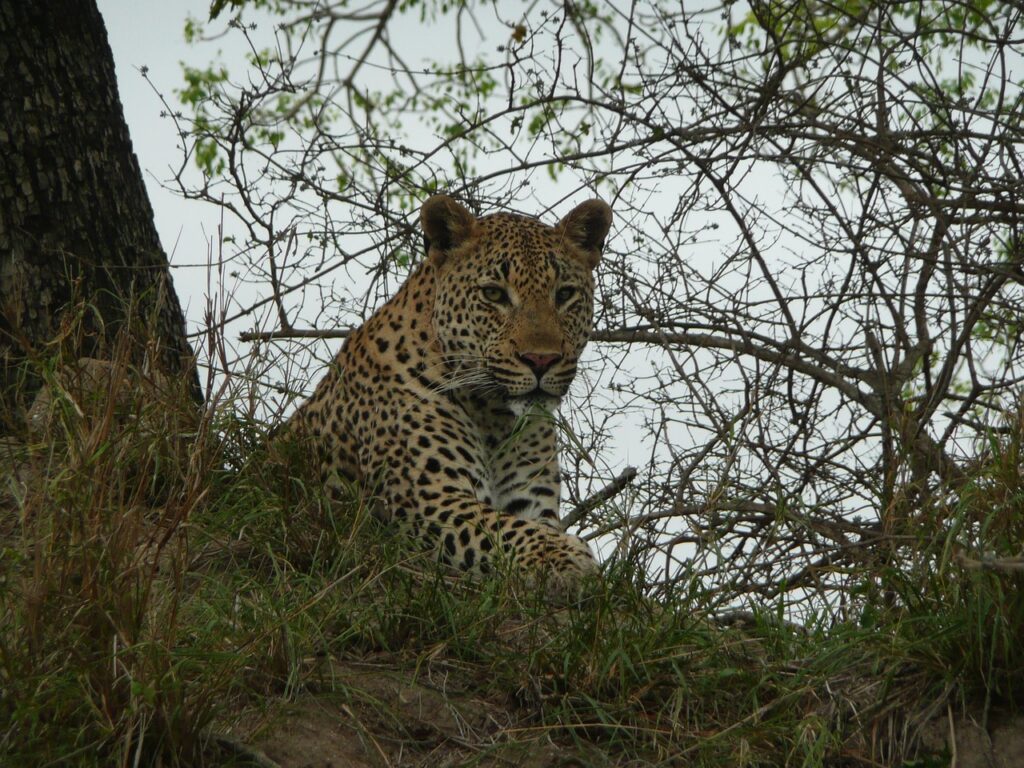
Known as the leopard capital of Africa, South Luangwa offers unparalleled opportunities to witness these elusive cats. Here’s what you need to know before you go.
South Luangwa National Park isn’t just another safari destination—it’s a proving ground for wildlife photographers. Tucked away in eastern Zambia, this remote wilderness has earned a legendary reputation as Africa’s leopard capital, where sightings are not a matter of luck, but patience, timing, and skill.
For photographers, few places on the continent offer such consistent, intimate, and dramatic encounters with one of Africa’s most elusive predators.
Why South Luangwa Is the Leopard Capital
South Luangwa’s leopard density is unusually high, thanks to a healthy prey base, minimal human interference, and decades of conservation-focused tourism. The park’s riverine forests, ebony groves, and open floodplains create the perfect hunting and resting habitat for leopards.
Unlike many destinations where sightings are fleeting, leopards here are often relaxed around vehicles—allowing photographers precious time to compose, adjust settings, and wait for that decisive moment.
Best Time for Leopard Photography
The dry season (June to October) is prime time. As vegetation thins and animals congregate near water sources, leopards become easier to spot—often draped over sausage trees or stalking impala along the Luangwa River.
- July–September: Best visibility and daylight sightings
- October: Hot but dramatic—excellent for action shots and dust-filled scenes
- Night drives: A South Luangwa specialty, offering rare nocturnal leopard behavior
The Magic of Night Drives
South Luangwa is one of the few parks where night drives are a core safari experience. This is where the park truly shines for photographers willing to push their craft.
With red or filtered spotlights, guides track leopards as they hunt, interact, and move through the darkness. The result? Powerful low-light images, intense eye contact, and storytelling frames you simply can’t capture during the day.
Gear That Makes a Difference
You don’t need a full production setup—but the right gear helps:
- Camera body: Strong low-light performance is key
- Lenses: 200–400mm range is ideal; a 70–200mm works surprisingly well on night drives
- Support: Beanbags over tripods for vehicle shooting
- Settings tip: Fast shutter, wide aperture, and higher ISO—embrace the grain for mood
Guides Matter More Than Gear
South Luangwa’s guides are among the best trackers in Africa. Many have grown up in the area and can read subtle signs—alarm calls, tracks, and bird behavior—that signal a nearby leopard.
For photographers, a knowledgeable guide means:
- Better positioning
- Ethical distances
- More time on sightings
- Respect for animal behavior
Ethics of Photographing Leopards
With frequent sightings comes responsibility. South Luangwa is a model for low-impact, ethical wildlife tourism. Good operators avoid crowding, limit spotlight time, and prioritize the animal’s comfort over the perfect shot.
The best images often come when you slow down and let the leopard dictate the moment.
Beyond the Shot
Even when the camera is down, South Luangwa delivers: walking safaris, raw wilderness, and a sense of intimacy that’s increasingly rare in African tourism. Leopard photography may be the headline act—but the experience is the full story.
