
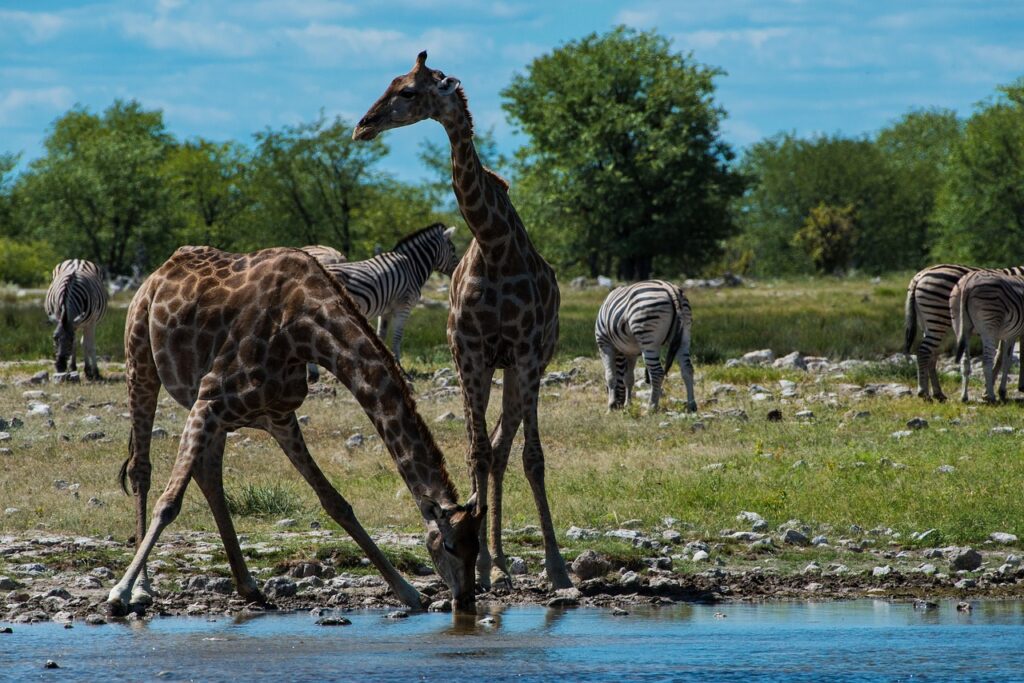
Etosha National Park is one of Africa’s most iconic wildlife destinations—and for good reason. Located in northern Namibia, Etosha is famous for its vast salt pan, dramatic landscapes, and, most importantly, its extraordinary wildlife encounters around natural and man-made waterholes. Whether you’re a first-time visitor or a seasoned safari enthusiast, Etosha offers unforgettable moments, from herds of zebra glowing in the sunset to predators silently stalking their prey.
This guide explores what makes Etosha so special, which animals you can expect to see, and how to make the most of your wildlife-viewing experience.
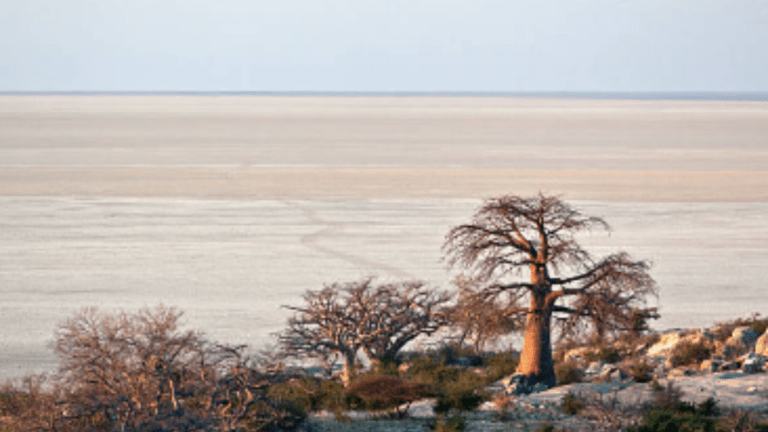
At the heart of Etosha lies the Etosha Pan—a massive, shimmering salt pan so large it can be seen from space. For much of the year, the pan is dry and stark, creating a dramatic backdrop that contrasts beautifully with the surrounding grasslands and mopane woodlands.
What truly sets Etosha apart, however, is its network of waterholes. In this arid environment, water is life. During the dry season especially, animals congregate at these water sources, making Etosha one of the best self-drive and guided safari destinations in Africa.
Etosha is home to an impressive diversity of wildlife, offering exceptional sightings throughout the year.
Plains Game
Etosha’s Famous Rhinos
Etosha is one of the best places in Africa to see both black and white rhino, especially at night-lit waterholes near rest camps such as Okaukuejo.
Elephants
During the dry season, elephants make dramatic appearances at waterholes, often coating themselves in white Etosha dust—an iconic sight unique to the park.
Giraffes, jackals, bat-eared foxes, and over 300 bird species add to Etosha’s rich biodiversity, making it a paradise for photographers and birdwatchers alike.
The Magic of Etosha’s Waterholes
Etosha’s waterholes are where the real drama unfolds. Each waterhole has its own character—some are busy social hubs, while others are quieter and more intimate.
At sunset, you might see:
Night-time waterholes, especially those inside rest camps, reveal a different world altogether, with rhinos, hyenas, and even lions appearing under floodlights.
Best Time to Visit Etosha
Both seasons offer unique experiences, depending on whether your priority is dense wildlife sightings or scenic beauty.

Plan Your Safari
Travel Enquiries
Hi
Hello 👋 How can we help you plan your safari today?